Gallery
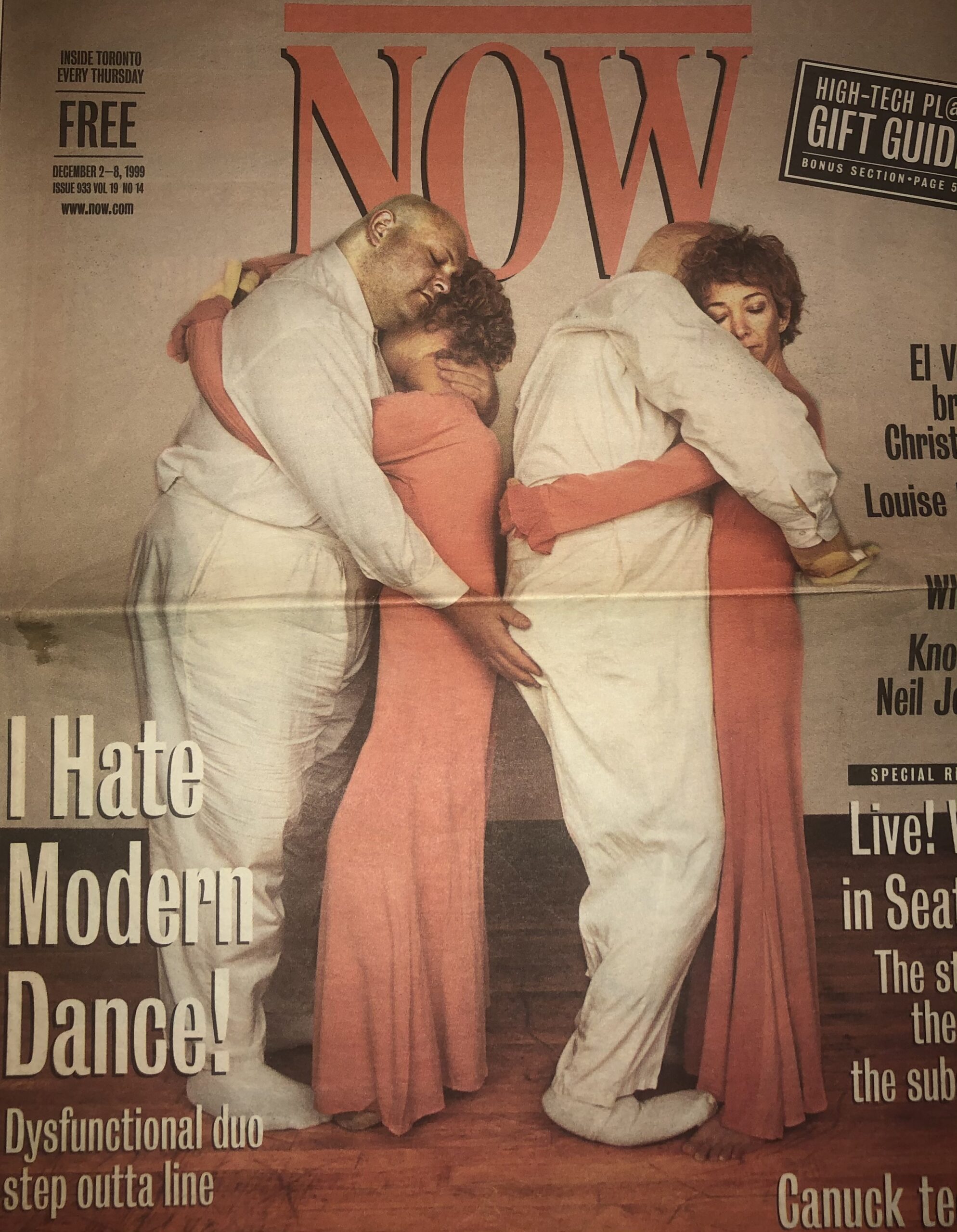
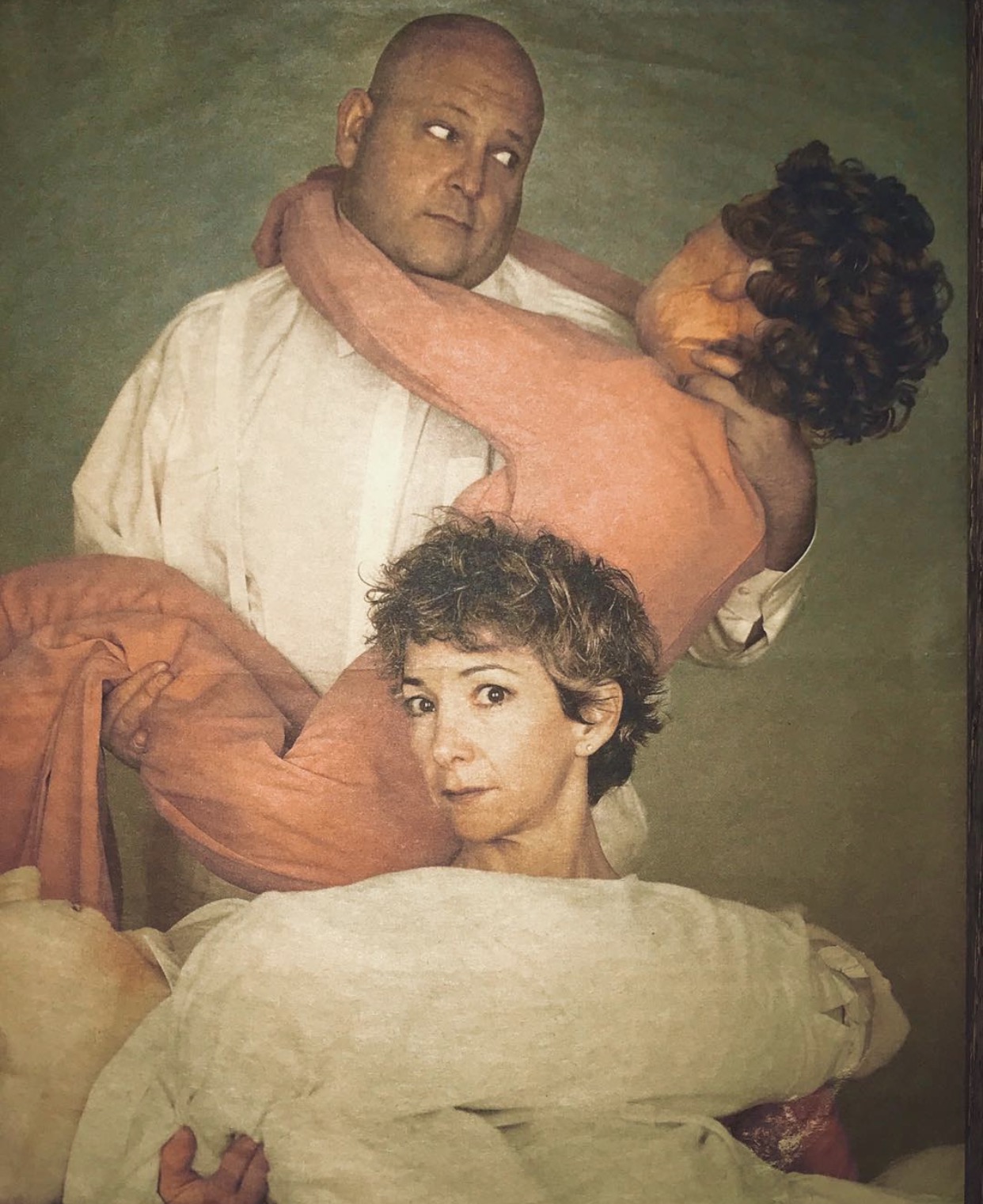
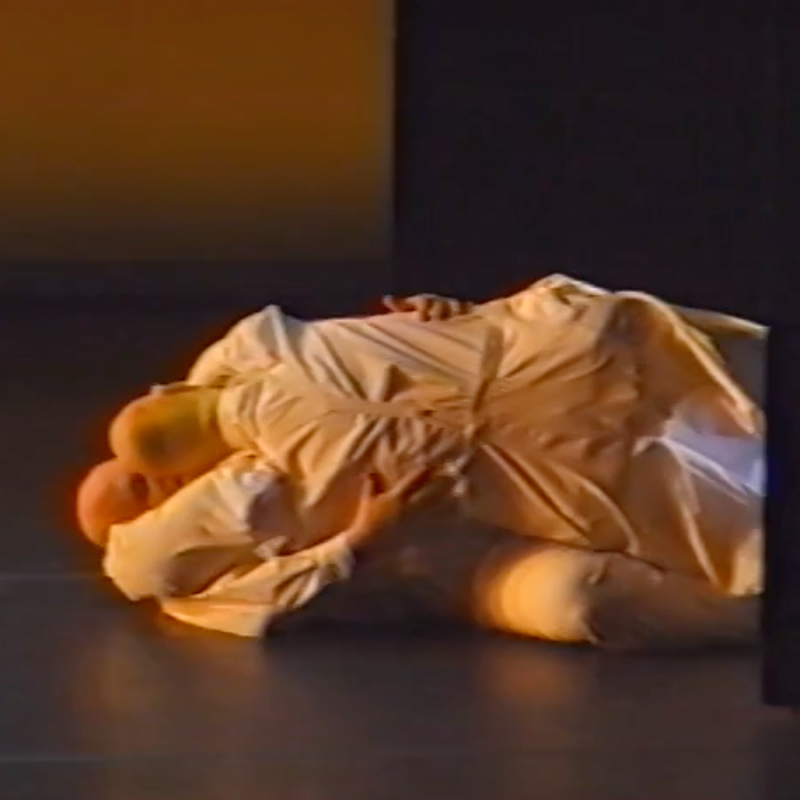
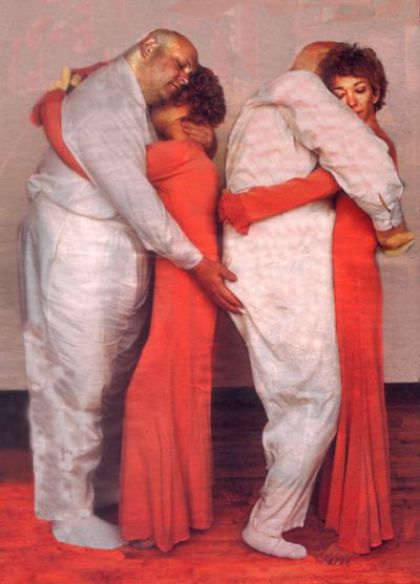
Just The Two of Us/ I Hate Modern Dance
A DUET FOR 4
MUSIC MANIPULATED BY VERNON REID
PUPPETS BY JAMES GODWIN
DANCE STYLES COACHED BY ELIZABETH KEEN
COMMISSIONED BY CELEBRATE BROOKLYN!
SHOW BUISNESS DANCE REVIEW
Goldhuber and Latsky
The Joyce Theater The Altogether Different Series 2000
by Victoria Yoffe
Opposites not only attract but come together in complete harmony when Goldhuber and Latsky take the stage. The oddly matched duo, completely opposing in height and weight, achieve a perfect balance between theater and dance, able to entertain while maintaining a depth to their work that addresses identity questions and insecurities.
The title of the first work, It’s not what you think (part 1), epitomizes the success of the quirky yet powerful performances of Goldhuber and Latsky during their evening length work, I Hate Modern Dance. The piece introduces the pair as individual performers dealing with opposing stereotypes as dancers and performers. The work plays on the idea of contrast starting in the beginning of the work with Goldhuber and Latsky’s stillness while Mozart’s lyrical and powerful A Major Violin Concerto plays loudly in the background. Goldhuber often supports Latsky as her petite body jumps onto and perches off his body as well as picks up Latsky haphazardly, swinging her through the air as if a she were a doll, creating something close to a human windmill. Their movement, ranging from unusual lifts to dragging each other by the feet across the stage produced laughter and smiles from the audience while highlighting the true similarity found in difference.
In Too Much Too Little (part I) the focal point of the piece is the insecurities regarding the physical characteristics of the performers. Goldhuber appears in a costume that nearly doubles his size while Latsky stands on stage confined by her arms stretched to the ceiling by flesh toned fabric. Performing movement from a ballet vocabulary, Latsky comments on the body types society expects from a particular style and range of movement. While Latsky’s commentary comes from her movement, Goldhuber’s commentary comes from his lack of movement.
The commentary comes to a conclusion in the final piece Just the Two of Us, when mannequins resembling the performers dance with Goldhuber and Latsky, forcing them to look at and accept themselves as performers. While light hearted and clever, the work stresses that people accept themselves rather than judge themselves on the opinions and ideas of the general public.
Goldhuber and Latsky bring a new type of performance to the stage. While neither pure dance nor pure theater the merging of the two art forms creates a new and refreshing performance style that asks the audience to leave their stereotypes at the door.
